
PlantSnap
-
4.7
Screenshots




Pros
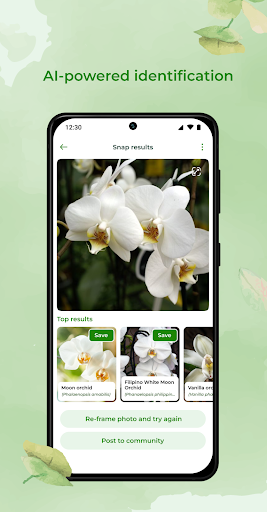
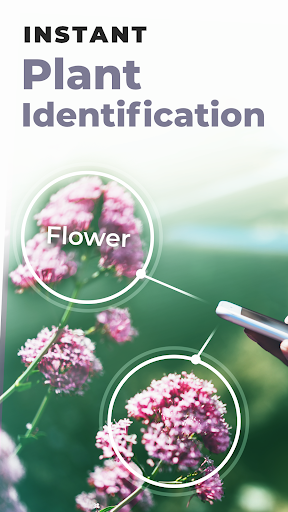
PlantSnap uses advanced AI to identify plants from a single photo, delivering species names, common names, and botanical details within seconds. Its deep-learning model continuously improves from user submissions, providing reliable identifications for leaves, flowers, trees, succulents, and fungi—ideal for gardeners, hikers, and field researchers.
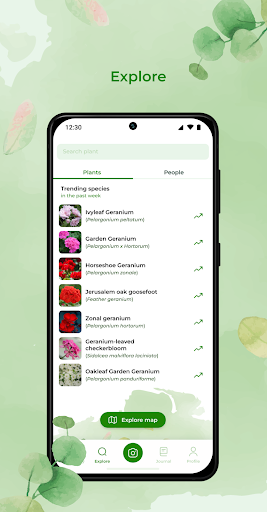
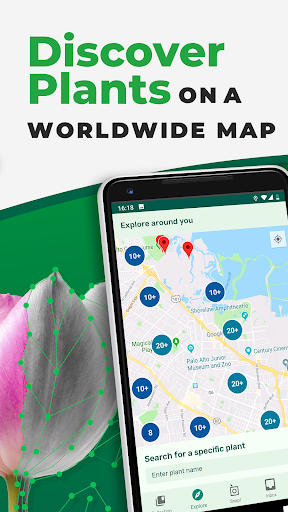
Extensive global database and coverage let PlantSnap recognize hundreds of thousands of plants across ecosystems and climates. Multi-language support, region-specific results, and a global plant map with location tagging help users explore biodiversity, discover native and exotic species, and track observations over time.
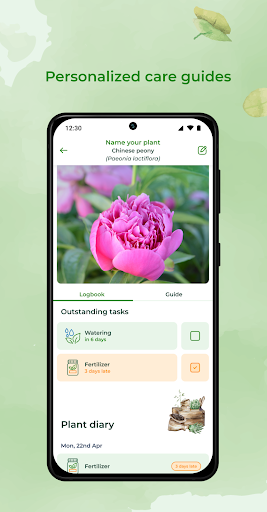
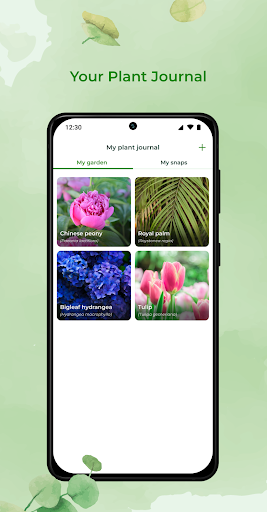
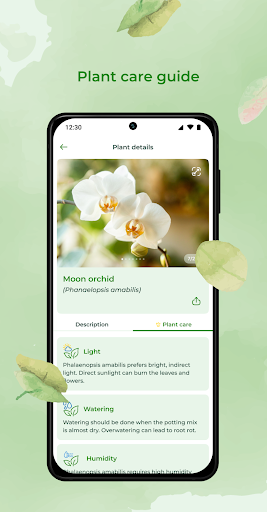
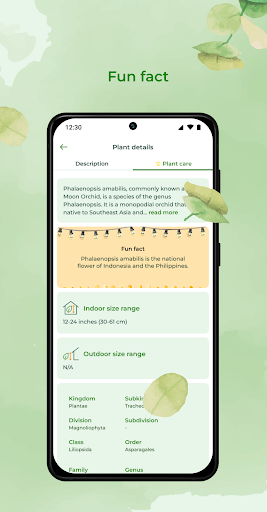
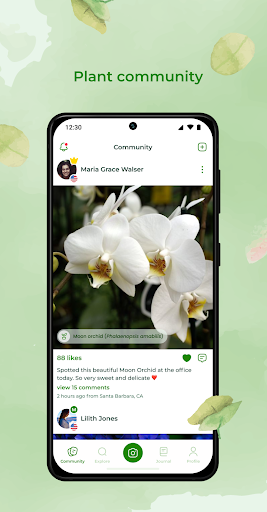
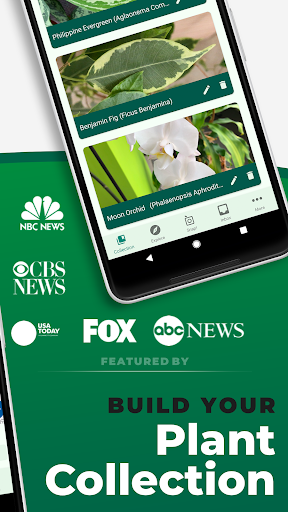
Practical organization and tools make PlantSnap useful beyond identification: save discoveries to a personal library, access care recommendations, share findings, and use offline identification in the premium version. The intuitive interface, species pages, and export options support gardeners, educators, and citizen scientists managing plant collections and projects.
Cons
Identification accuracy can be inconsistent, especially for closely related species, hybrids, or incomplete photos. The app often returns broad, genus- or family-level matches instead of precise species, leading to misidentifications. Lighting, angle, and seasonal variation further reduce reliability, so users should verify results with other sources.
Many useful features are locked behind a subscription: unlimited identifications, offline databases, high-resolution uploads, and advanced sorting or export tools. The free tier limits daily searches and access to regional data, making the app less useful for frequent or professional users who may find the cost prohibitive.
PlantSnap relies on cloud processing and stores uploaded photos and metadata, raising privacy concerns for users who prefer local-only identification. Limited transparency about data use and sharing, plus dependence on an internet connection in many cases, can deter travelers, researchers, or anyone cautious about location-sensitive or proprietary plant data.


