Duolingo
-
4.9
-
Developer
Duolingo
-
Category
Education
-
Version
5.159.4
-
Android OS
4.4
-
Downloads
870M
-
Content rating
3
Introduction to Duolingo: A Fun and Effective Language Learning App
Duolingo has become one of the most popular language-learning apps worldwide, and for good reason. With its gamified approach, user-friendly interface, and comprehensive curriculum, Duolingo makes learning a new language both enjoyable and accessible. Whether you're a beginner or looking to brush up on your skills, this app offers a unique blend of education and entertainment that keeps users coming back for more.
Why Duolingo Stands Out
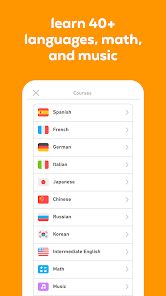
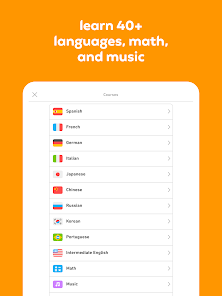
What sets Duolingo apart from other language-learning platforms is its ability to turn education into a game. The app uses a points-based system, streaks, and rewards to motivate users to practice daily. This gamification not only makes learning fun but also helps build consistent habits. Additionally, Duolingo offers a wide range of languages, from Spanish and French to less commonly taught languages like Navajo and High Valyrian, catering to diverse interests.
Key Features of Duolingo
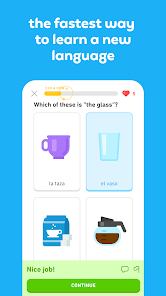
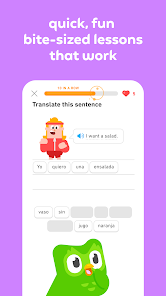
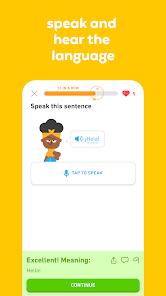
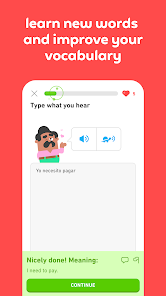
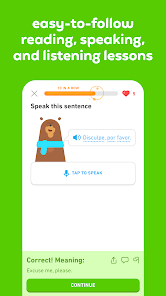
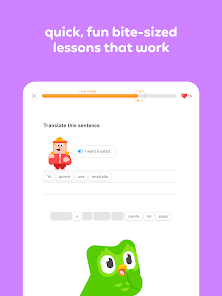
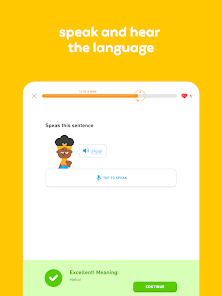
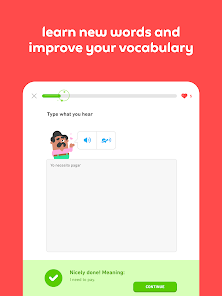
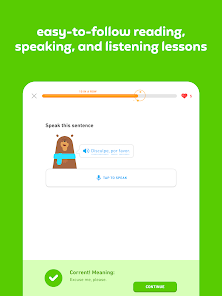
Duolingo is packed with features designed to enhance the learning experience. Its bite-sized lessons are perfect for busy schedules, allowing users to practice for just a few minutes a day. The app also includes speaking, listening, and writing exercises to ensure a well-rounded learning experience. For those who want to take their skills further, Duolingo Plus offers an ad-free experience, offline access, and unlimited hearts, making it a great option for serious learners.
User-Friendly Interface
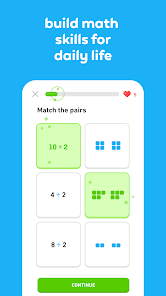
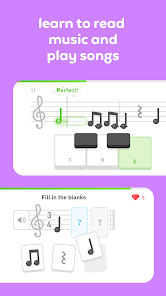
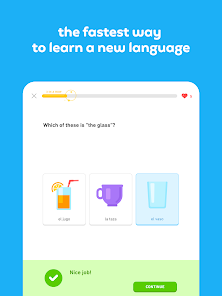
One of Duolingo's strongest points is its intuitive and visually appealing interface. The app is easy to navigate, with clear instructions and progress tracking. The colorful design and friendly mascot, Duo the Owl, add a touch of charm that makes the learning process feel less like a chore and more like a game. This accessibility makes Duolingo suitable for users of all ages and tech-savviness levels.
Community and Social Features
Duolingo also fosters a sense of community among its users. The app includes leaderboards, where learners can compete with friends or other users worldwide. This social aspect adds an extra layer of motivation, encouraging users to stay consistent with their practice. Additionally, Duolingo's forums and discussion boards provide a space for learners to ask questions, share tips, and connect with others on the same language-learning journey.
Effectiveness and Learning Outcomes
While Duolingo is not a substitute for immersive language learning, it is an excellent tool for building foundational skills. Studies have shown that consistent use of the app can lead to significant improvements in vocabulary, grammar, and comprehension. However, users should supplement their learning with real-world practice, such as speaking with native speakers or consuming media in the target language, to achieve fluency.
Pros and Cons of Duolingo
Like any app, Duolingo has its strengths and weaknesses. On the plus side, it's free, engaging, and offers a wide variety of languages. The gamified approach keeps users motivated, and the app is suitable for all skill levels. On the downside, the free version includes ads, and some users may find the exercises repetitive over time. Additionally, while Duolingo is great for beginners, it may not be sufficient for advanced learners seeking in-depth language mastery.
Conclusion: Is Duolingo Worth It?
In conclusion, Duolingo is a fantastic app for anyone looking to start learning a new language or improve their existing skills. Its combination of gamification, accessibility, and comprehensive content makes it a standout choice in the crowded field of language-learning apps. While it may not replace traditional language classes or immersive experiences, it serves as an excellent supplementary tool that makes learning fun and achievable. Whether you're learning for travel, work, or personal enrichment, Duolingo is definitely worth a try.
Screenshots