Da Fit
-
3.4
-
Developer
MO YOUNG LTD
-
Category
Sport
-
Version
v2.5.3-35-g4b0e3bec0
-
Android OS
4.4 and up
-
Downloads
10M
-
Content rating
Rated for 3+
Pro
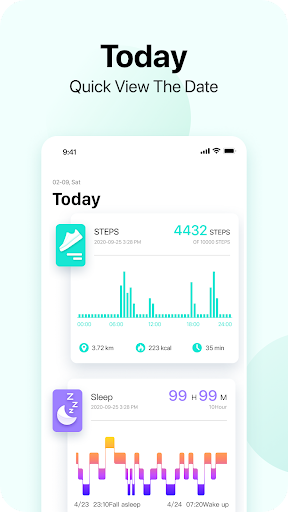
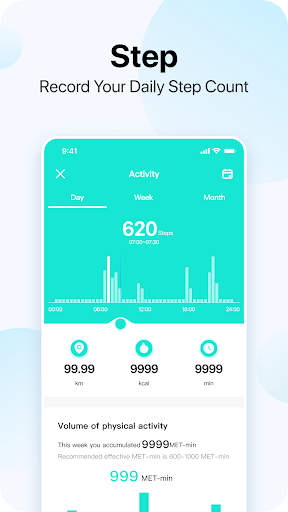
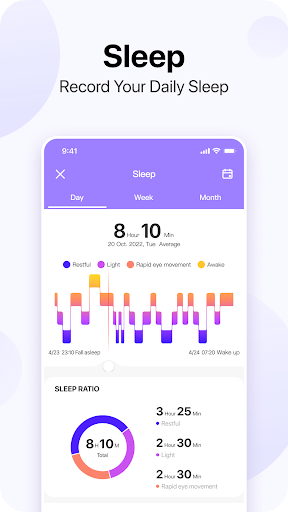
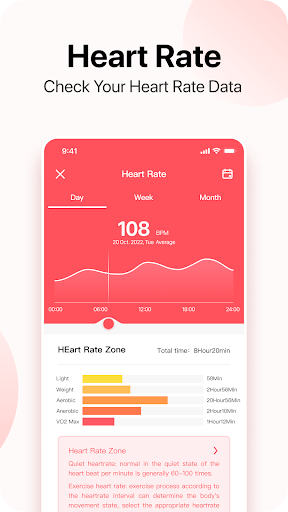
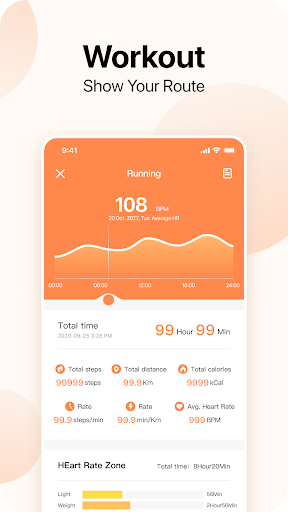
👍 1. Comprehensive fitness tracking: Da Fit application offers a wide range of features to track and monitor your fitness progress. It can track your steps, distance, calories burned, heart rate, sleep patterns, and more. This helps you have a holistic overview of your health and fitness goals.
👍 2. Compatibility with multiple devices: Da Fit application is compatible with various fitness devices, including smartwatches and fitness bands. This allows you to sync and consolidate all your fitness data in one place, making it easier to analyze and monitor your progress.
👍 3. Personalized coaching and guidance: Da Fit app provides personalized coaching and guidance based on your fitness goals and preferences. It offers workout programs, exercise routines, and nutrition suggestions tailored to your needs. This can help you stay motivated and accountable to achieve your desired results.
Con
👎 1. Limited device compatibility: One of the major shortcomings of Da Fit application is its limited device compatibility. It is primarily designed for devices that support the Da Fit app, thus limiting its usage to a specific range of devices. This can be frustrating for users who own devices that are not compatible with the app and are unable to access its features.
👎 2. Lack of advanced features: Da Fit app lacks some advanced features that are available in other fitness tracking applications. For instance, it may not provide in-depth analysis and insights into user's health and fitness data, such as heart rate variability, training load, or sleep patterns. This can be disappointing for users who seek detailed information and more advanced tracking capabilities.
👎 3. Limited customization options: Another shortcoming of Da Fit app is the limited customization options it offers to users. For example, users may have limited control over the display layout, data fields, or alerts they receive. This lack of customization can be frustrating for users who prefer to personalize their fitness tracking experience according to their specific needs and preferences.
Ratings
Screenshots