Plant App
-
4.5
-
Developer
ScaleUp
-
Category
Education
-
Version
2.3.7
-
Android OS
Varies with device
-
Downloads
710M
-
Content rating
0
Pros
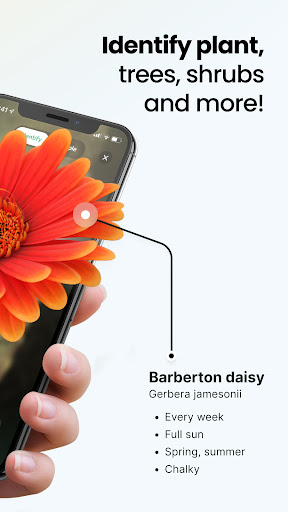
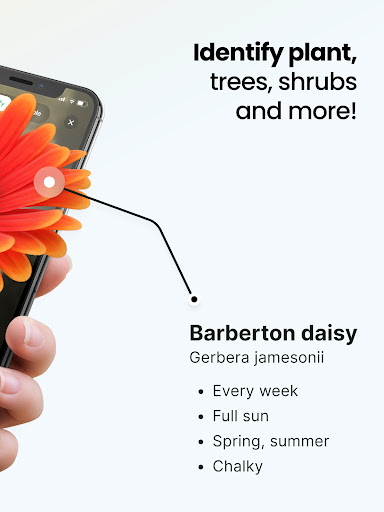
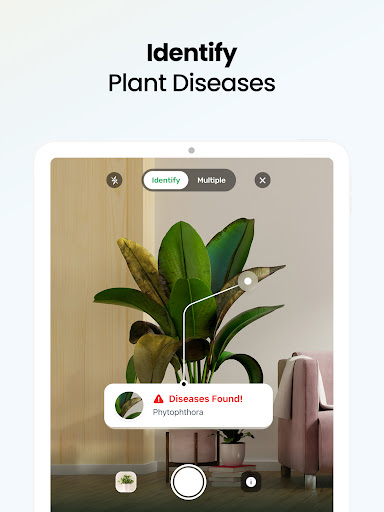
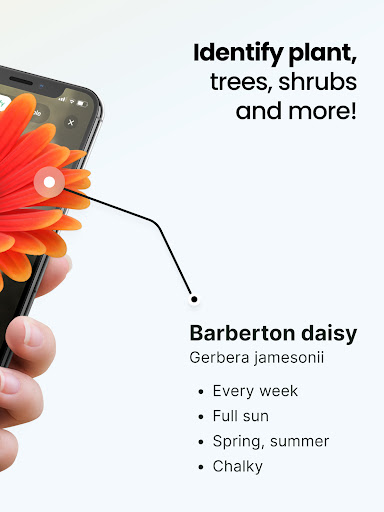
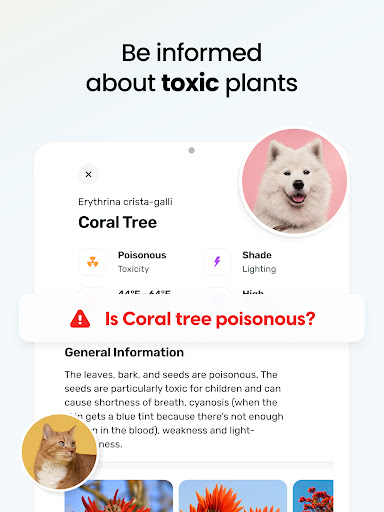
Instant, accurate photo identification powered by AI lets you identify thousands of plants in seconds. Snap a picture and get species names, common names, taxonomy, and brief descriptions. The app’s large, continuously updated database improves identification accuracy over time, making it reliable for gardeners, students, and plant enthusiasts alike.
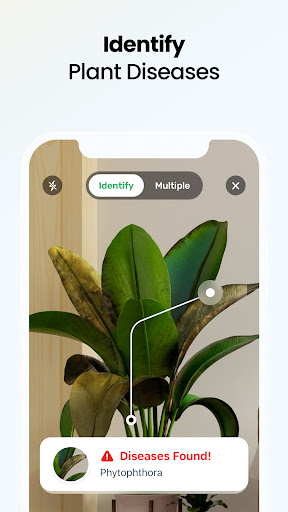
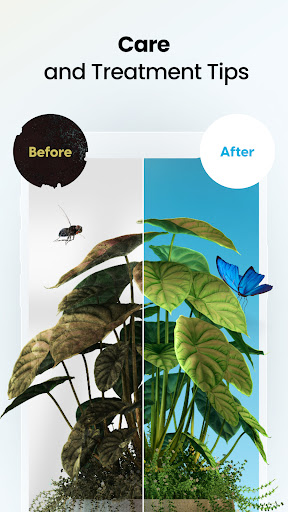
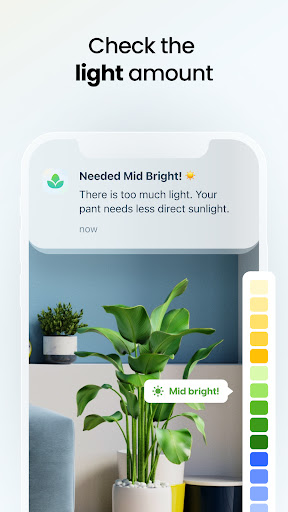
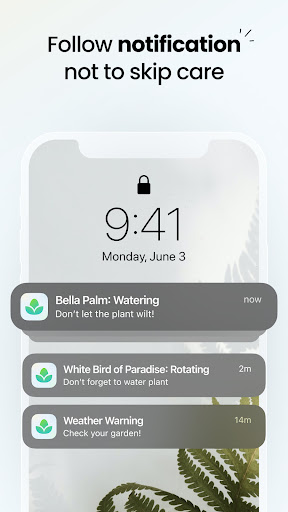
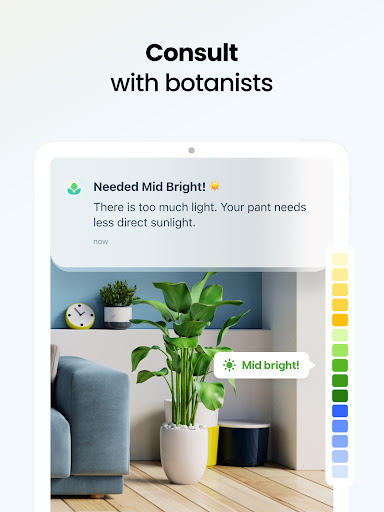
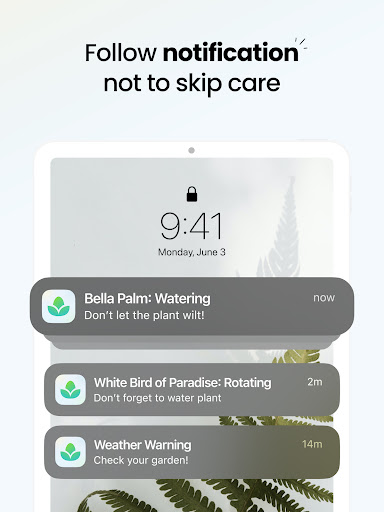
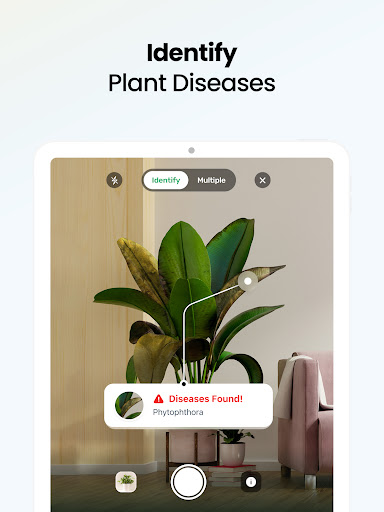
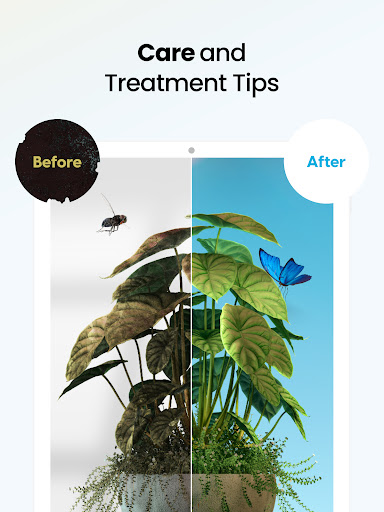
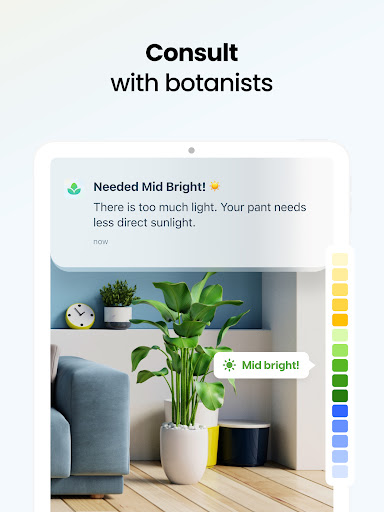
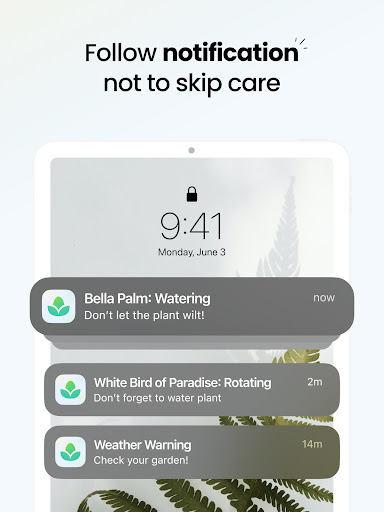
Comprehensive care guidance turns identification into action with tailored watering, fertilizing, lighting, and pruning tips for each species. Set personalized reminders to keep your plants healthy and receive alerts for common pests and diseases. Clear step-by-step advice and troubleshooting make plant care approachable for beginners and experienced growers alike.
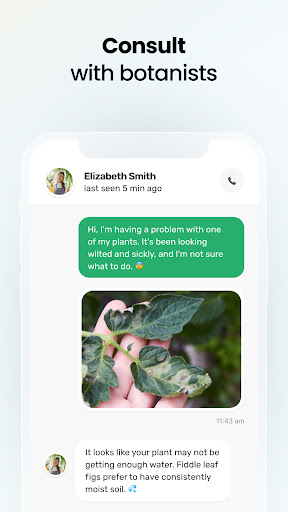
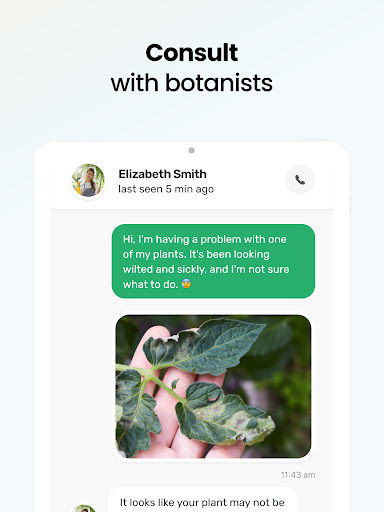
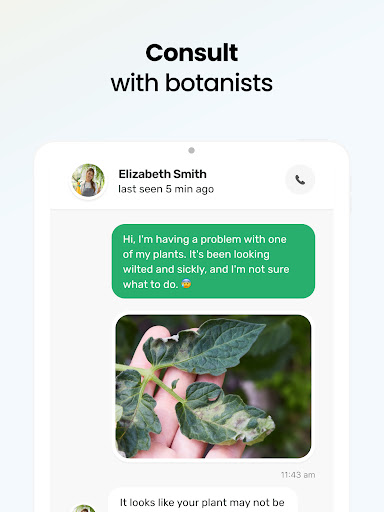
Easy-to-use interface and organization tools help you build a digital garden—save favorites, create collections, and track plant growth with photos and notes. Offline identification and sync options keep information accessible wherever you go. Community features and expert verification provide additional confidence and a social space to share discoveries and get advice.
Cons
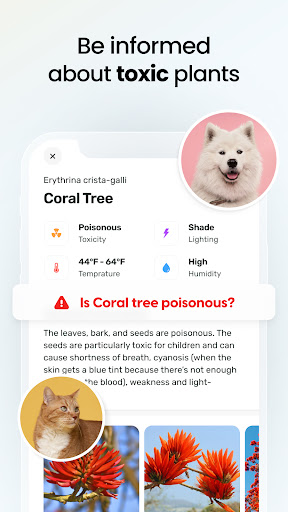
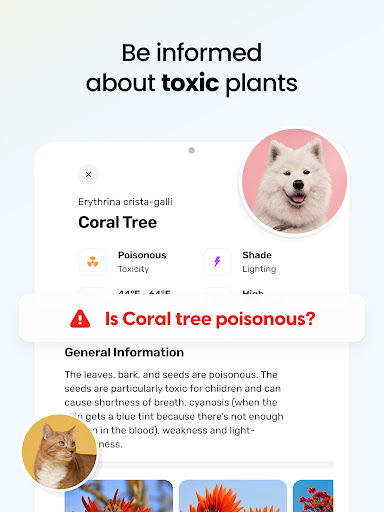
Identification accuracy can be inconsistent, especially with poor-quality photos, partial plant features, or closely related species. Seasonal changes, cultivars, and juvenile growth stages often confuse automated algorithms, so the app can produce incorrect or uncertain results and should not replace expert verification for medicinal, toxic, or conservation-sensitive plants.
Many useful features are locked behind a subscription or in-app purchases. The free tier typically limits daily scans, removes advanced search/history tools, and displays ads. Users seeking unlimited identifications, offline access, or commercial use must often pay, making the app less attractive for hobbyists or professionals on a tight budget.
The app commonly relies on cloud-based recognition, so identifications usually require an internet connection and upload of photos (and sometimes location data). This raises privacy concerns for users wanting to keep their observations private. Additionally, databases can lack coverage for rare, regional, or newly described species, limiting usefulness in some areas.
Screenshots