Fing
-
4.9
-
Category
Tools
-
Version
9.1.1
-
Android OS
4.4
-
Downloads
340M
Pro
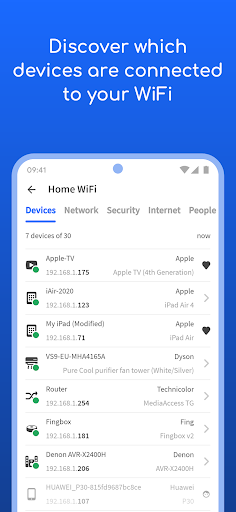
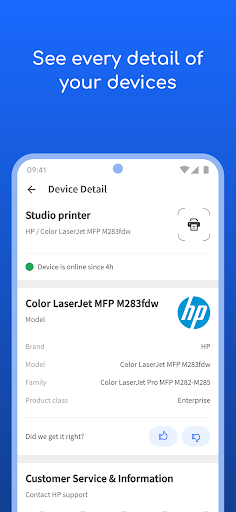
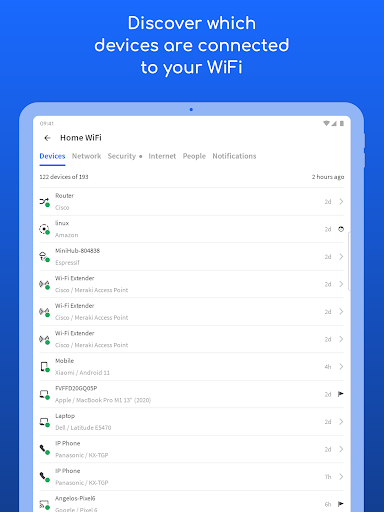
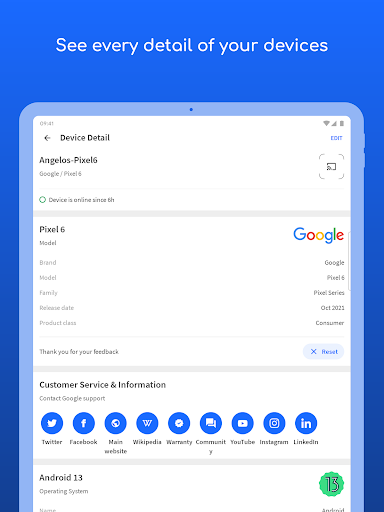
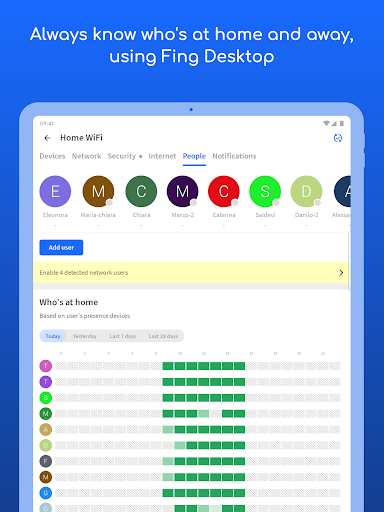
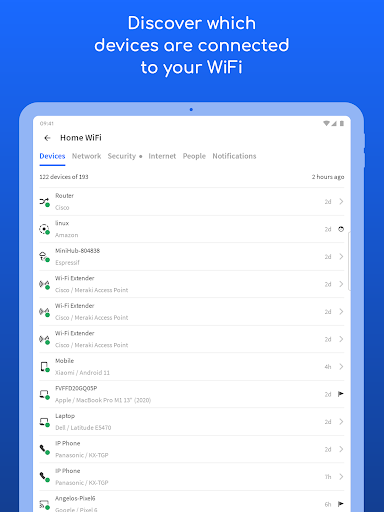
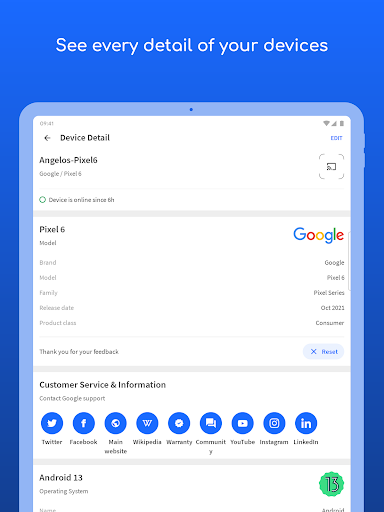
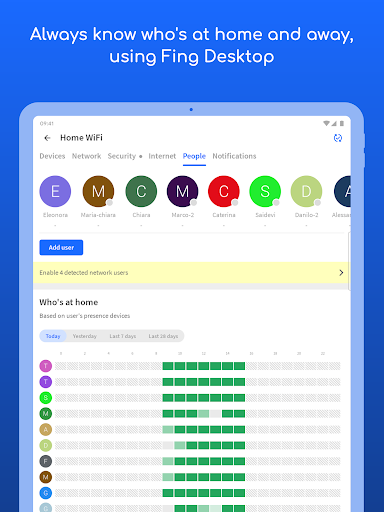
👍 Fing quickly scans LAN and Wi‑Fi networks and produces a complete inventory of connected devices, showing IP, MAC, vendor, model, device type, and status. It provides detailed device profiles, manufacturer lookup, and historical connection logs, making it easy to spot unknown devices and manage home or small business networks.
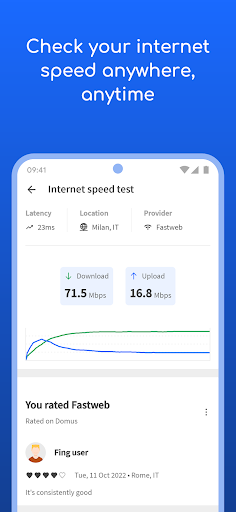
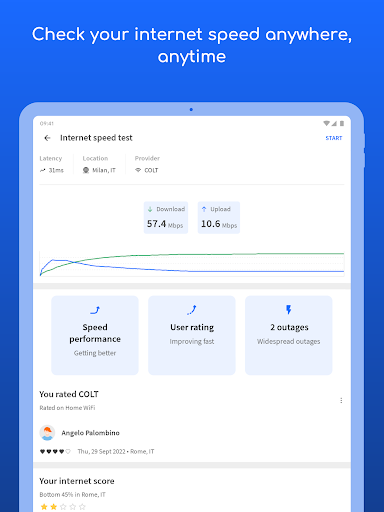
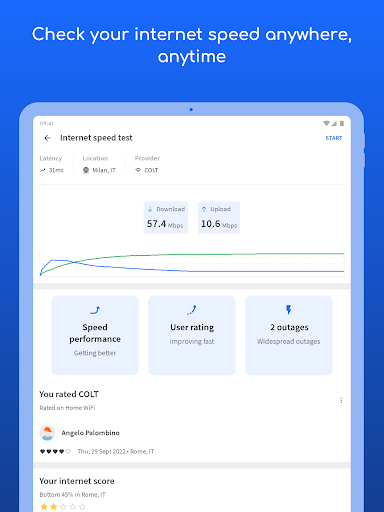
👍 Fing bundles professional troubleshooting tools—speed test, ping, traceroute, and port scan—plus latency, packet-loss and DNS diagnostics. Run on-demand or scheduled tests, generate detailed reports and device-level bandwidth usage, and visualize your network map to quickly identify bottlenecks, misconfigurations, or ISP outages for faster problem resolution.
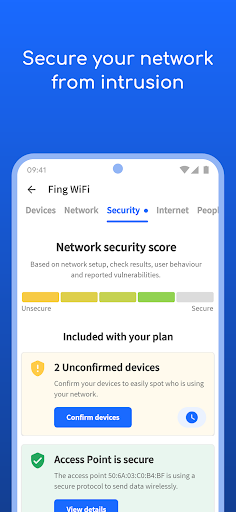
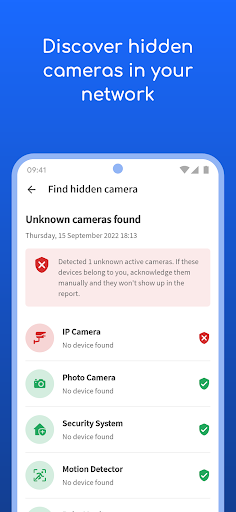
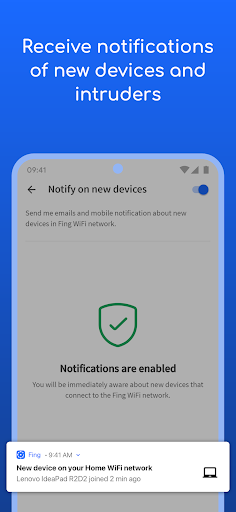
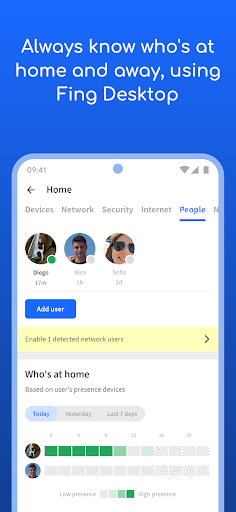
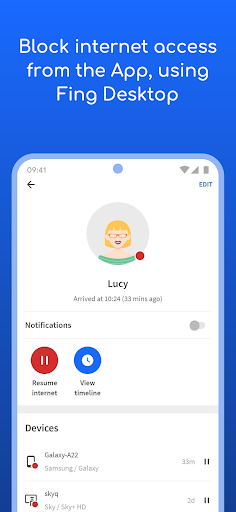
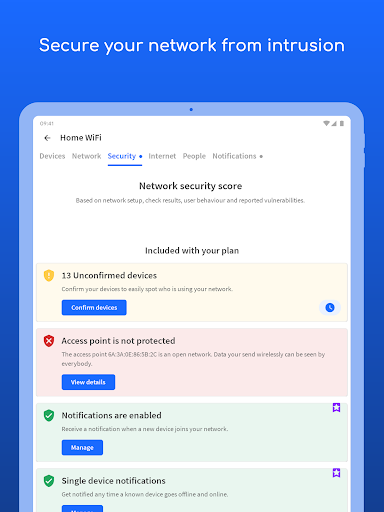
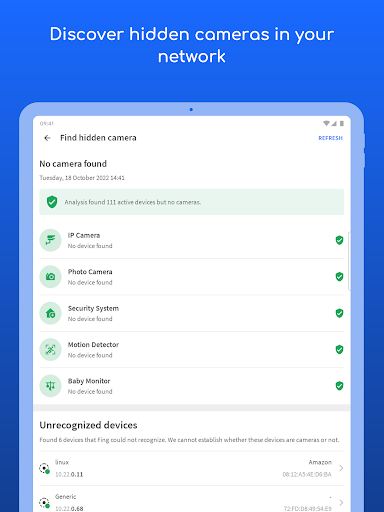
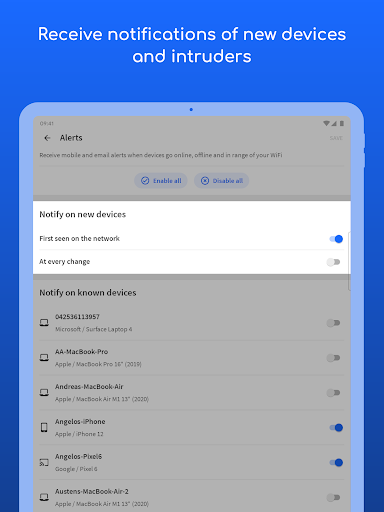
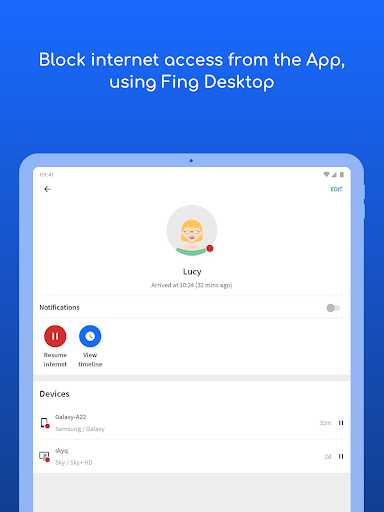
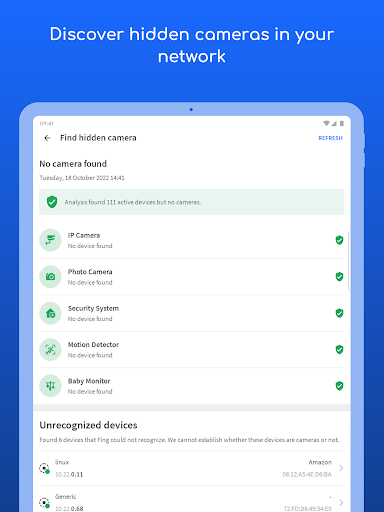
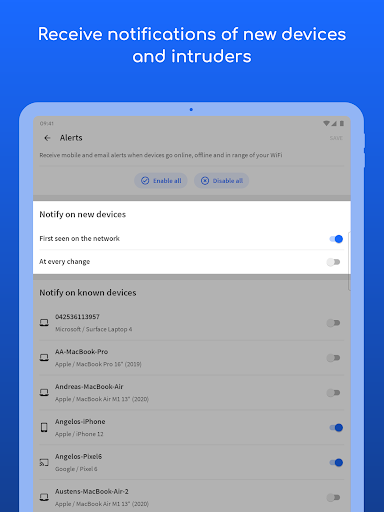
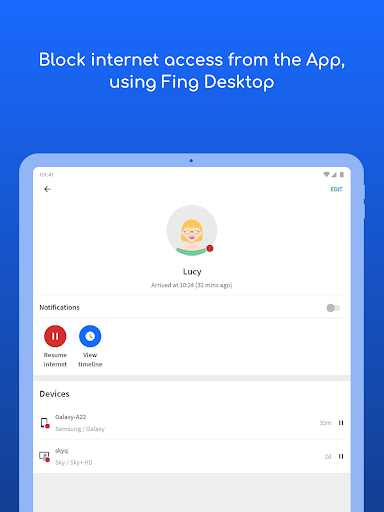
👍 Fing monitors networks in real time and sends instant alerts for new, unknown or suspicious devices. Built-in vulnerability scans, port and service checks, remote access tools and access-control features help detect intrusions. Integration with Fingbox enables continuous monitoring, parental controls, scheduled audits and detailed security reports to strengthen network safety.
Con
👎 Fing’s most useful advanced features—continuous monitoring, historical logs, remote alerts, and some troubleshooting tools—are locked behind a subscription or require creating an online account. This paywall limits value for casual users who expect a fully functional free network scanner and can frustrate those unwilling to pay for basic long-term monitoring.
👎 Device identification can be inconsistent: Fing may mislabel devices, merge multiple devices under one entry, or fail to distinguish virtual machines and IoT gadgets. These false positives and unclear device details make it harder to quickly pinpoint unknown hardware or troubleshoot network problems without additional manual verification.
👎 The app requests broad network and device permissions and may upload scan data to Fing’s cloud for features like remote access and sharing. For privacy-focused users or enterprise environments, that data handling and required account sign-in raise concerns about data collection, potential exposure, and reliance on a third-party service for sensitive network information.
Screenshots