DNAlyzer DNA Ancestry Gradient
-
4.5
-
Developer
Aleta Inc - Photo & Video Analyzing
-
Category
Lifestyle
-
Version
5.912
-
Android OS
Varies with device
-
Downloads
170M
-
Content rating
0
Unlock Your Ancestral Tapestry with DNAlyzer
In the burgeoning world of at-home genetic testing, DNAlyzer DNA Ancestry Gradient carves out a unique and compelling niche. Moving beyond simple continent-level percentages, this app focuses on visualizing your ancestry through a smooth, gradient-based map interface. It’s designed for users who have already taken a DNA test with major providers like 23andMe or AncestryDNA and are looking for a more nuanced, visually engaging way to explore their results.
Beyond Pie Charts: The Power of the Gradient Map
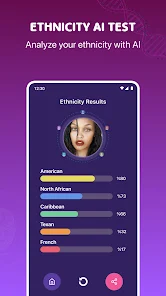
The core innovation of DNAlyzer is its signature "Ancestry Gradient." Instead of presenting your heritage as a collection of separate, colored slices, the app creates a blended, heat-map style overlay on a world map. Your genetic influences flow seamlessly across regions, illustrating how your ancestry might blend at the borders of countries and continents. This provides a more intuitive and realistic representation of human migration and genetic admixture, highlighting the interconnectedness of populations rather than presenting them in isolation.
Key Features and User Experience
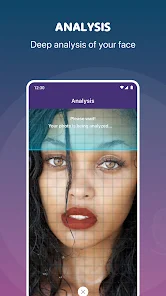
DNAlyzer’s functionality is straightforward yet powerful. Users simply upload their raw DNA data file (supported formats include those from 23andMe, AncestryDNA, MyHeritage, and FTDNA). The app then processes this data using its own algorithms to generate the gradient visualization. You can zoom in on specific regions, toggle between different map styles, and explore the subtle shifts in your ancestral probability across the globe. The clean, minimalist interface ensures the focus remains on the captivating visual story of your DNA. Additional features often include the ability to save and share high-resolution maps of your personal gradient.
Standing Out in a Crowded Market
DNAlyzer’s main competitive edge is its unique visual approach. While other services excel at cousin matching, detailed historical records, or deep-dive haplogroup reports, DNAlyzer specializes in making the geographic component of ancestry beautifully accessible. It complements rather than replaces your primary testing service. For visual learners, history enthusiasts, or anyone tired of standard ethnicity reports, this app offers a fresh perspective. It sparks curiosity about the *paths* of your ancestors, not just their labeled points of origin.
Considerations and Ideal User
It’s important to note that DNAlyzer is an interpretation tool for existing data, not a DNA testing kit itself. The accuracy of its gradient is inherently tied to the quality of your uploaded raw data and the evolving science of population genetics. The app may offer less hard "data" in terms of cousin matches or detailed tribal affiliations compared to the giants in the field. Its strength is in synthesis and visualization.
This app is perfect for the curious individual who has already taken a DNA test and wants to see their results in a new light. It’s ideal for educators, storytellers, or anyone who wants a stunning visual aid to understand and explain their heritage. It turns abstract percentages into a conversation-starting map.
Final Verdict: A Beautiful Lens on Your Heritage
DNAlyzer DNA Ancestry Gradient is a specialized tool that fills a specific and artistic gap in the genetic genealogy market. It may not provide the exhaustive family tree documentation of other platforms, but it succeeds brilliantly in its mission: to transform your DNA data into a captivating, flowing visual narrative of your ancestral journey. For anyone seeking a more intuitive and aesthetically pleasing way to connect with their global roots, DNAlyzer offers a uniquely compelling and insightful experience.
Screenshots