Remini
-
4.9
-
Developer
Remini
-
Category
Photography
-
Version
3.7.615.202378417
-
Android OS
4.4
-
Downloads
210M
-
Content rating
0
Pro
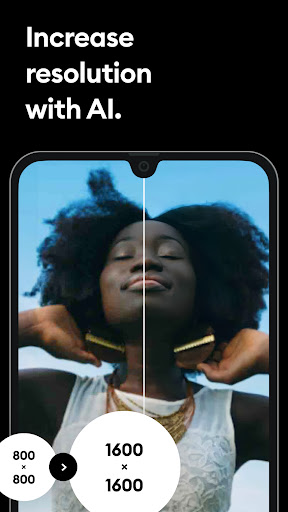
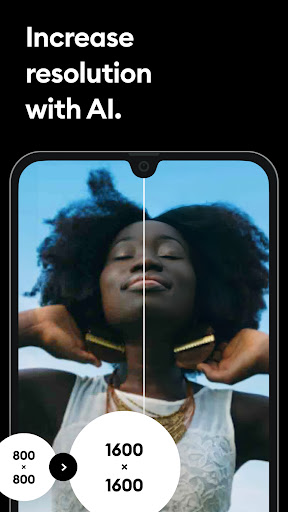
👍 Remini uses advanced AI to restore and enhance old, blurry, or low-resolution photos, transforming faded details into sharp, high-definition images. Its deep-learning algorithms reconstruct facial features, reduce noise, and recover textures, making vintage portraits and damaged snapshots look fresh and lifelike with minimal manual editing.
👍 With a clean, user-friendly interface and one-tap enhancement options, Remini lets users quickly improve photos without technical expertise. Preset modes such as Enhance, Face Restore, and Photo Repair simplify complex edits, while fast cloud processing delivers results in seconds—ideal for casual users restoring family memories or creators preparing images for social sharing.
👍 Remini’s versatile toolset goes beyond sharpening—colorize black-and-white pictures, remove artifacts, and enhance textures for professional-looking results. Batch processing and easy export options streamline workflows, while ongoing AI updates continually improve quality, making it a reliable choice for photo restoration, archival projects, and content creators seeking high-quality visuals.
Con
👎 Remini - AI Photo Enhancer’s most common drawback is its monetization model: many advanced features require a paid subscription or limited daily credits, and the free tier often adds watermarks. Frequent in-app purchases and premium-only tools can be costly for regular users, limiting accessibility despite the app’s strong AI capabilities.
👎 The AI enhancement results can be inconsistent: Remini sometimes over-sharpens images, creates unnatural artifacts, or fails to restore heavily damaged or extremely low-resolution photos. Enhancements tend to work better on faces than on landscapes or text, so users may be disappointed when the app cannot accurately reconstruct missing detail or color.
👎 Privacy and data handling are concerns: Remini processes photos on its servers, requiring uploads that some users may find invasive. The app’s privacy policy and retention practices can be unclear, making users wary of storing sensitive images. On-device processing options are limited, reducing control over how personal photos are transmitted and stored.
Screenshots