-
4.8
-
Developer
X Corp.
-
Category
News & Magazines
-
Version
11.20.0-beta.1
-
Android OS
Varies with device
-
Downloads
830M
-
Content rating
0
Introduction to Twitter
Twitter is one of the most popular social media platforms globally, known for its real-time updates and concise communication style. With over 330 million active users, Twitter has become a vital tool for news dissemination, social interaction, and brand promotion. The mobile app, available on both iOS and Android, offers a seamless experience for users to stay connected on the go.
User Interface and Experience
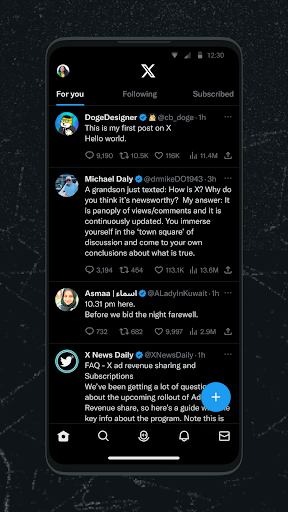
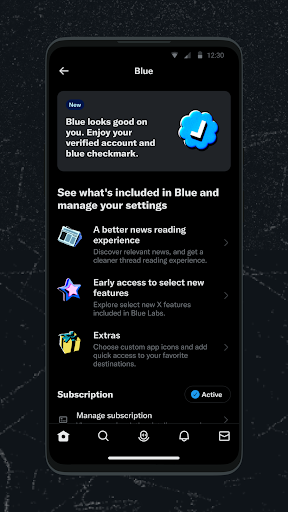
The Twitter app boasts a clean and intuitive interface, making it easy for users to navigate through tweets, notifications, and messages. The design is minimalistic yet functional, ensuring that users can quickly access the features they need. The app's dark mode is a standout feature, providing a comfortable viewing experience, especially in low-light conditions.
Key Features
Twitter's mobile app is packed with features that enhance user engagement. The 'Tweet' button is prominently placed, allowing users to share their thoughts instantly. The app supports multimedia tweets, including images, videos, and GIFs, making content more engaging. The 'Explore' tab is a hub for trending topics, hashtags, and personalized recommendations, helping users discover new content and conversations.
Another notable feature is the 'Lists' function, which allows users to curate their timelines by following specific accounts or topics. This is particularly useful for professionals who want to stay updated on industry news without the clutter of unrelated tweets.
Real-Time Updates and Notifications
One of Twitter's strongest suits is its real-time updates. Whether it's breaking news, live sports events, or trending topics, Twitter ensures that users are always in the loop. The app's notification system is highly customizable, allowing users to choose what they want to be alerted about, from mentions and likes to new followers and direct messages.
Social Interaction and Networking
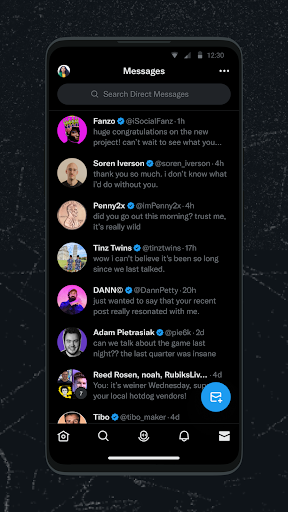
Twitter excels in fostering social interaction. The app's 'Retweet' and 'Quote Tweet' features enable users to share content with their followers, amplifying its reach. The 'Like' and 'Reply' functions encourage engagement, making it easy for users to participate in conversations. Direct messaging is another powerful tool, allowing for private communication between users.
Twitter also serves as a networking platform, connecting users with like-minded individuals, industry leaders, and influencers. The app's search functionality is robust, enabling users to find and follow accounts based on their interests.
Security and Privacy
Twitter takes user security and privacy seriously. The app offers two-factor authentication, adding an extra layer of protection to user accounts. Privacy settings are comprehensive, allowing users to control who can see their tweets, send them direct messages, and tag them in photos. The 'Mute' and 'Block' features provide additional control over user interactions.
Performance and Reliability
The Twitter app is known for its reliability and performance. It runs smoothly on most devices, with minimal lag or crashes. The app's lightweight design ensures that it doesn't consume excessive battery or data, making it ideal for prolonged use.
Conclusion
In summary, the Twitter mobile app is a powerful tool for real-time communication, news updates, and social networking. Its user-friendly interface, robust features, and strong focus on security make it a top choice for millions of users worldwide. Whether you're a casual user or a professional, Twitter offers something for everyone, making it an indispensable app in today's digital age.
Screenshots