SlumberCycle+
-
4.1
-
Developer
Appsky Hong Kong Limited
-
Category
Health & Fitness
-
Version
1.27.0
-
Android OS
Varies with device
-
Downloads
860M
-
Content rating
0
Pros
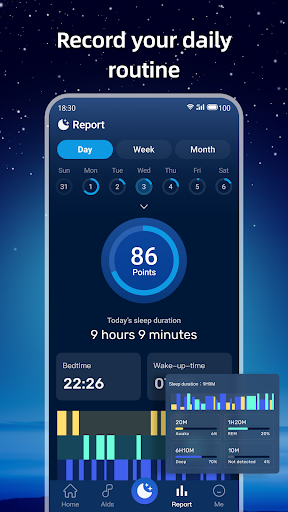
SlumberCycle+ provides highly accurate sleep-cycle detection and comprehensive analytics, identifying light, deep, and REM stages plus nightly trends. Its smart alarm wakes you during optimal sleep phases to reduce grogginess, while clear charts and personalized metrics make it easy to track progress and understand how daily habits affect sleep quality.
AI-driven coaching in SlumberCycle+ delivers personalized recommendations and actionable steps to improve sleep hygiene. It offers tailored bedtime reminders, relaxation exercises, and habit tracking to help you meet sleep goals. Over time the app adapts suggestions based on your patterns, guiding gradual, sustainable changes for more restorative nights and better daytime energy.
Designed for effortless use, SlumberCycle+ syncs with Apple Health and Google Fit and supports wearables for automatic tracking. The intuitive dashboard visualizes nightly metrics and long-term trends, while low battery impact and exportable sleep reports make sharing data with healthcare providers simple and secure. It also offers offline mode, customizable notifications, and a dark-mode interface.
Cons
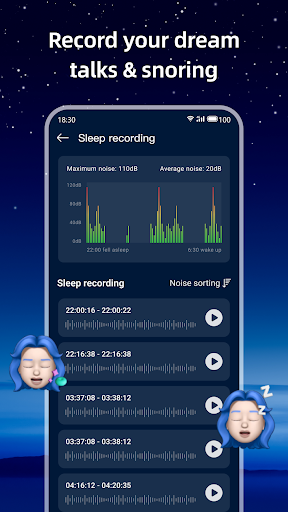
SlumberCycle+ relies on continuous use of sensors and the microphone overnight, which can noticeably drain your phone’s battery and cause device heating. Heavy overnight monitoring may force users to charge more often or disable tracking, reducing convenience and producing incomplete or inconsistent sleep records.
Sleep detection often depends on phone placement and ambient noise, so SlumberCycle+ may misclassify restlessness, snoring, or wake periods — especially without a wearable. Pets, partners, or loud environments can trigger false positives, limiting the app’s reliability for users who need clinically accurate sleep assessments.
Many advanced features in SlumberCycle+ are locked behind a subscription, making full functionality costly over time. Additionally, detailed sleep recordings and audio capture raise privacy concerns for users uncomfortable with continuous data collection; third-party integrations (wearables, health apps) are limited, which can hamper a seamless sleep-tracking ecosystem.
Screenshots